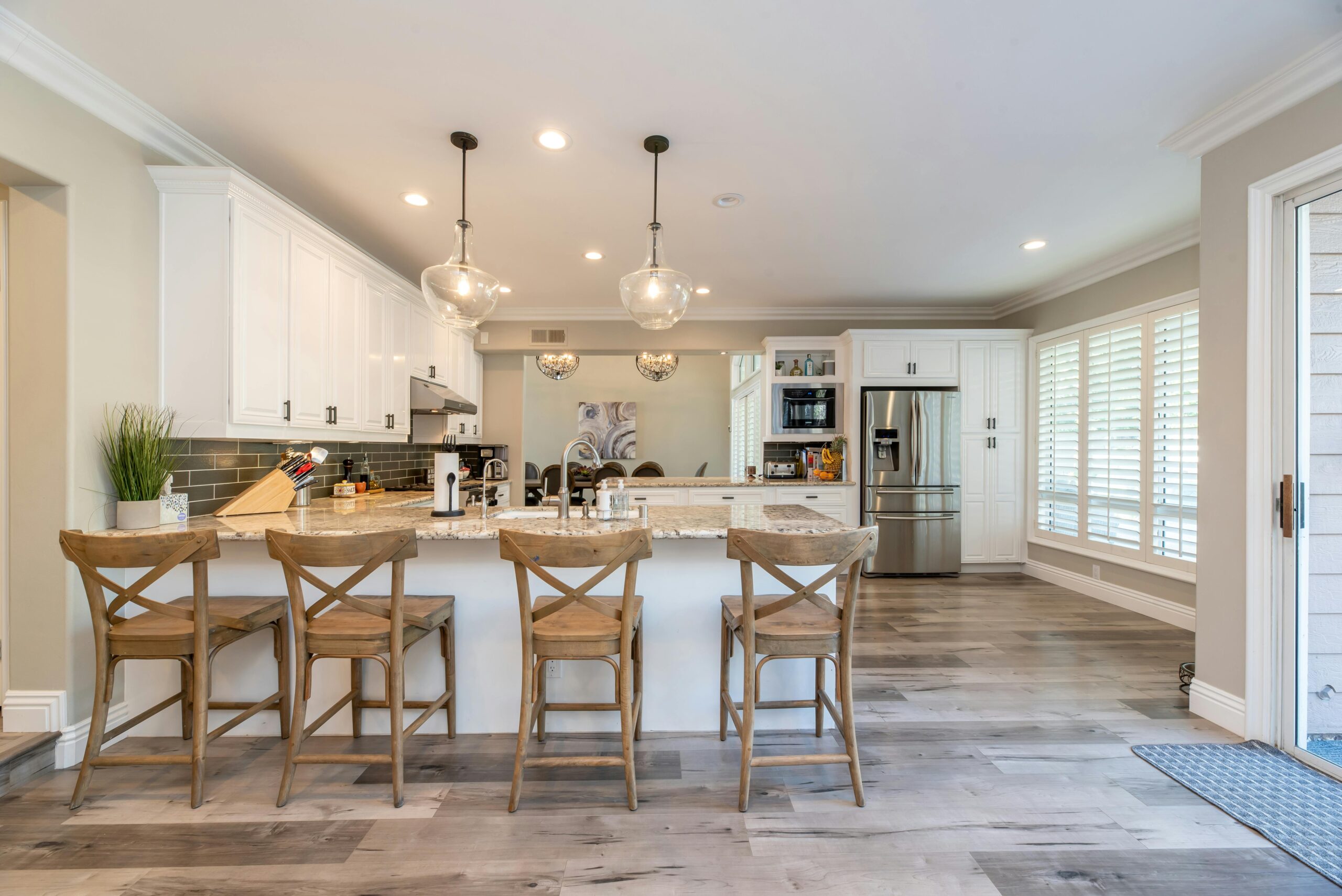
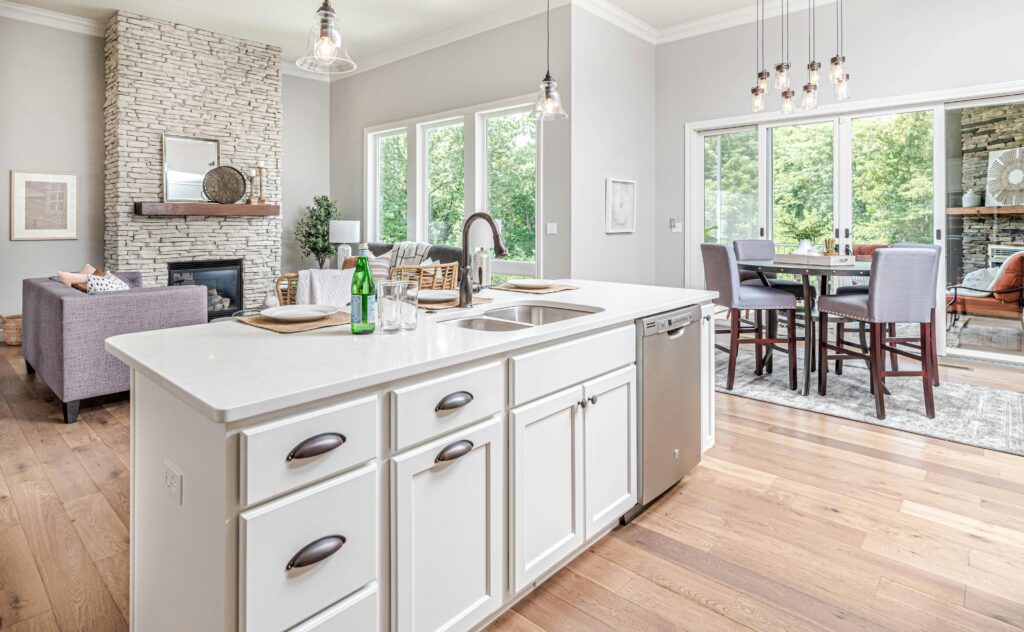
Open plan kitchen living continues to be one of the most requested renovation styles in the UK. Many homeowners want larger, more connected spaces that combine cooking, dining and relaxing within one environment.
When designed well, open plan layouts create light, space and better social interaction. However, without careful planning they can sometimes feel too exposed, noisy or lacking in warmth.
The most successful open plan kitchens balance openness with clear zoning, thoughtful materials and practical design decisions. Creating defined areas within the space helps ensure the room feels comfortable rather than overwhelming.
Below are some of the key design ideas that help open plan kitchens remain both practical and inviting.
Why Open Plan Kitchens Are So Popular
Open plan kitchen living works particularly well for modern lifestyles because it allows multiple activities to happen within the same space.
Homeowners often choose open plan layouts to support:
Removing internal walls or extending to the rear of a property can transform how a home feels. However, larger spaces also require more careful planning to ensure the layout works effectively.
Design Considerations for a Cosy and Practical Open Plan Kitchen
Zoning With Kitchen Islands
In many open plan kitchens, the island becomes the central feature of the space.
An island naturally defines the cooking zone without creating a physical barrier between areas.
Islands can provide:
Design elements such as contrasting worktops or subtle height changes can further define the kitchen zone while maintaining openness.
Using Architectural Zone Dividers
In larger open plan spaces, architectural elements can help create subtle separation without closing off the room.
These features introduce structure and interest while still allowing the space to feel connected.
Examples include:
In some contemporary homes, designers also use feature walls that include elements such as a dual-aspect fireplace or rotating television, creating a focal point visible from both the kitchen and living area.
These architectural features help organise the space while adding character and visual interest.
Layered Lighting
Lighting plays a crucial role in making open plan spaces feel warm rather than stark.
A layered lighting approach might include:
By combining different lighting sources, homeowners can adjust the atmosphere depending on the time of day or activity.
Good lighting helps prevent open spaces from feeling flat or overly bright.
Defined Dining Areas
Even within an open layout, clearly defined dining zones help organise the space.
This can be achieved through:
These elements visually separate the dining area from the kitchen while keeping the overall layout open.
Acoustic Balance
Sound is one of the most overlooked aspects of open plan design.
Hard surfaces such as:
can amplify sound from cooking, conversation and entertainment.
To soften acoustics, designers often incorporate:
These elements help balance sound and create a more comfortable environment for daily living.
Storage Planning
Clutter is far more visible in open plan spaces, making well-planned storage essential.
Effective solutions often include:
Keeping work surfaces clear helps maintain the calm and organised appearance that open plan design aims to achieve.
Making Large Spaces Feel Cosy
A common concern with open plan living is that the space can feel too large or impersonal.
To introduce warmth and comfort, consider incorporating:
Cosiness in open plan homes often comes from layering materials and textures, rather than closing off the space.
When Open Plan May Not Be Ideal
Although open plan living is extremely popular, it does not suit every household.
Some potential challenges include:
In some homes, partial separation using sliding doors, glazed partitions or flexible dividers can provide the best balance between openness and practicality.
Key Takeaways
Frequently Asked Questions
Final Thoughts
Open plan kitchen living can dramatically transform how a home feels, creating space, light and connection between different areas of daily life.
However, successful open plan design is about more than simply removing walls.
Thoughtful zoning, architectural features, lighting and materials all contribute to creating spaces that feel both practical and welcoming.
When planned carefully, an open plan kitchen can feel spacious, engaging and comfortable — balancing openness with warmth and character.